

Alternative élevage: moving beyond barrels and tanks in the wine cellar
One of the most significant changes I've seen in wine cellars over the last 20 years has been the rise in alternative vessels for fermenting and ageing wine.

Wine cellars have changed. They used to be full of stainless steel and small oak barrels. You’ll still fine stainless steel and small oak, of course, but increasingly there’s a range of different vessels employed in élevage, that wonderful French term that translates roughly as bringing up or breeding.
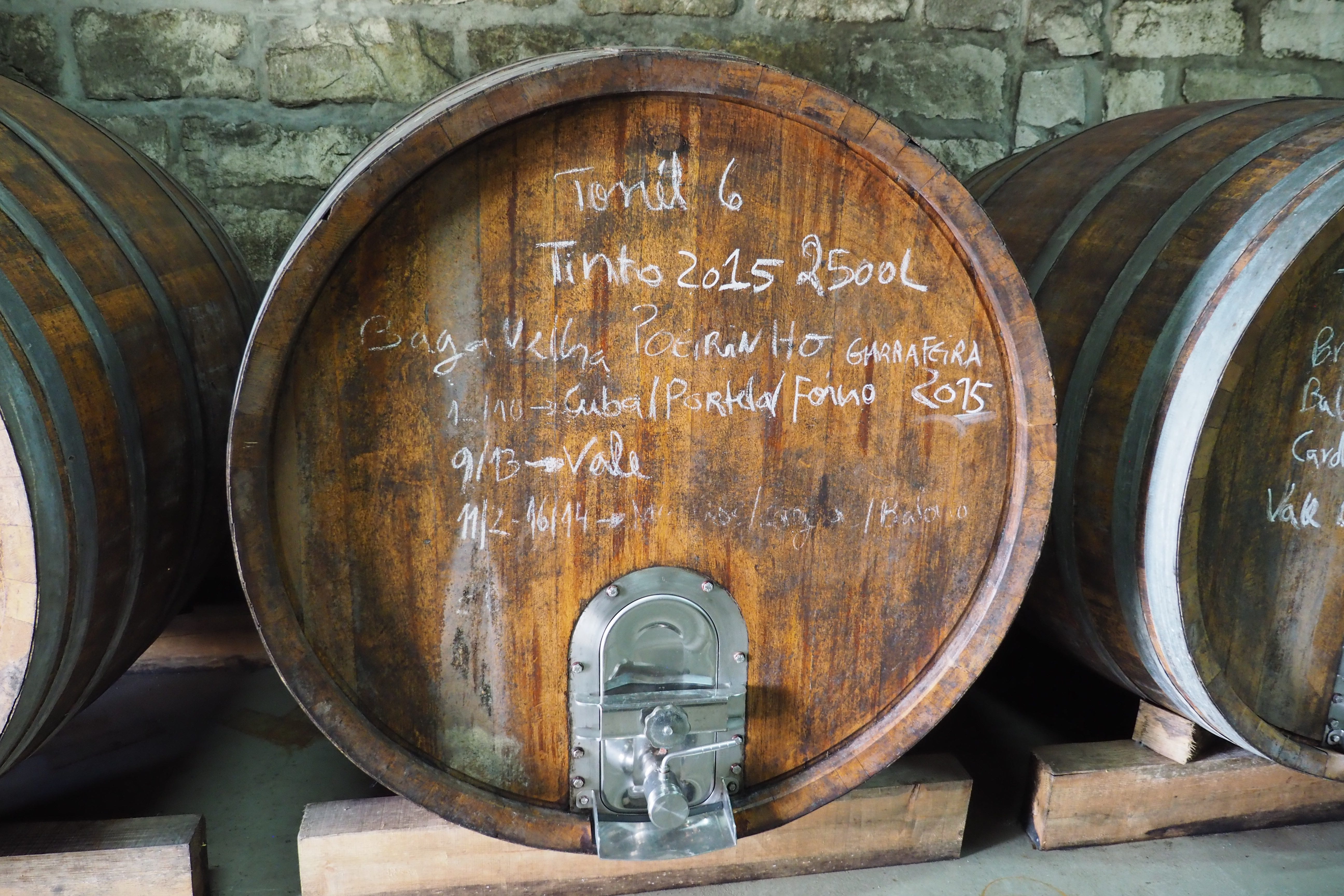
One aspect has been a return to the past: large format oak barrels which last forever, and concrete tanks. Barrels used to be for posh cellars in fancy wine regions, while the less cool or impoverished folk were left with the concrete and large foudres. But they are actually very cool ways of raising wines.
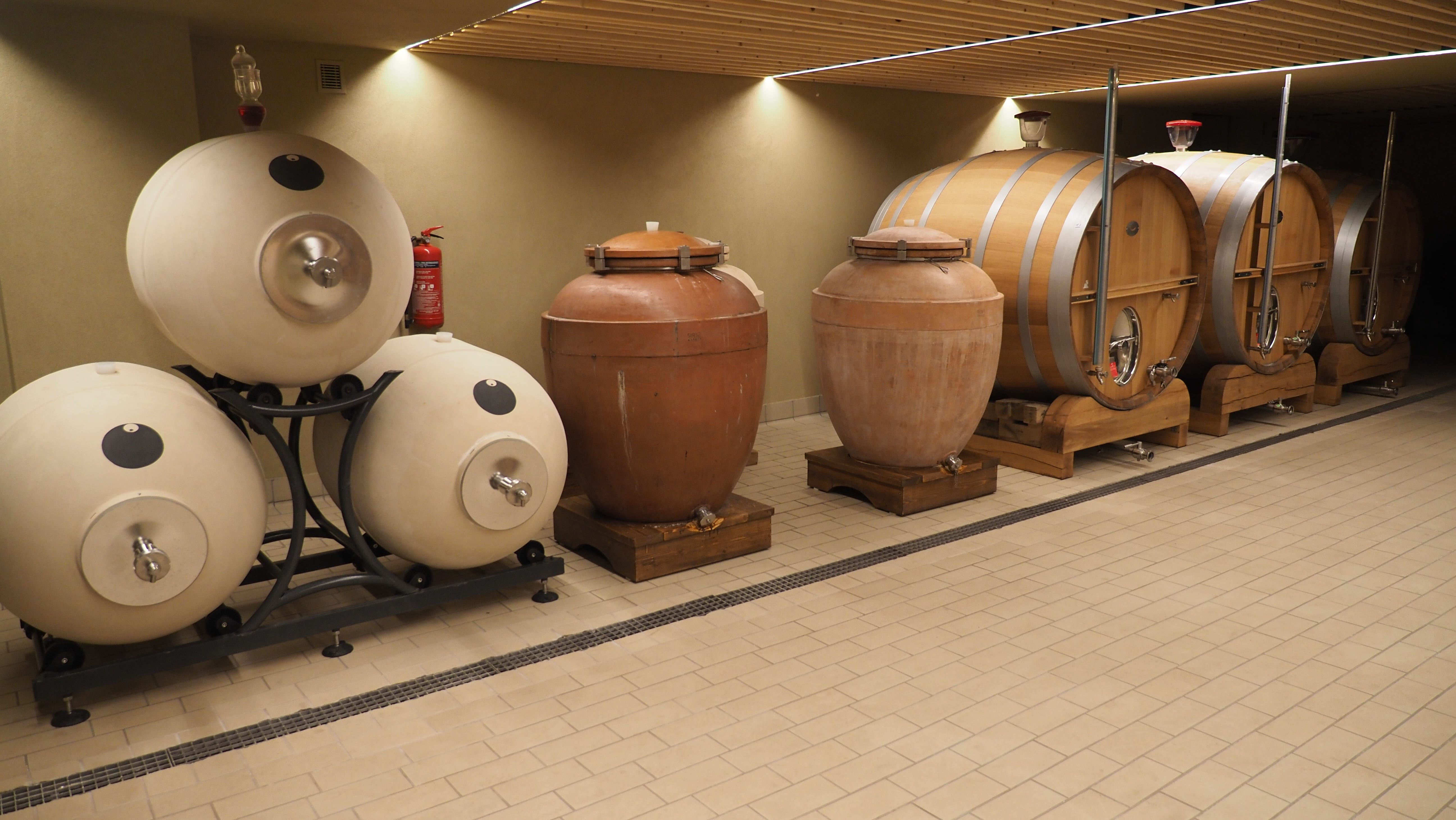
Larger barrels have less surface area to volume, and when young flavour the wine less (it isn’t the goal here), and allow less oxygen transmission. This delays the development of the wine, but also the rate of oxygen transmission also changes the final outcome. This is important: if it was just about dose of oxygen, you’d be able to replicate traditional élevage in a tank with microoxygenation. You can’t. The outcome is different because the rate of oxygen delivery is higher.
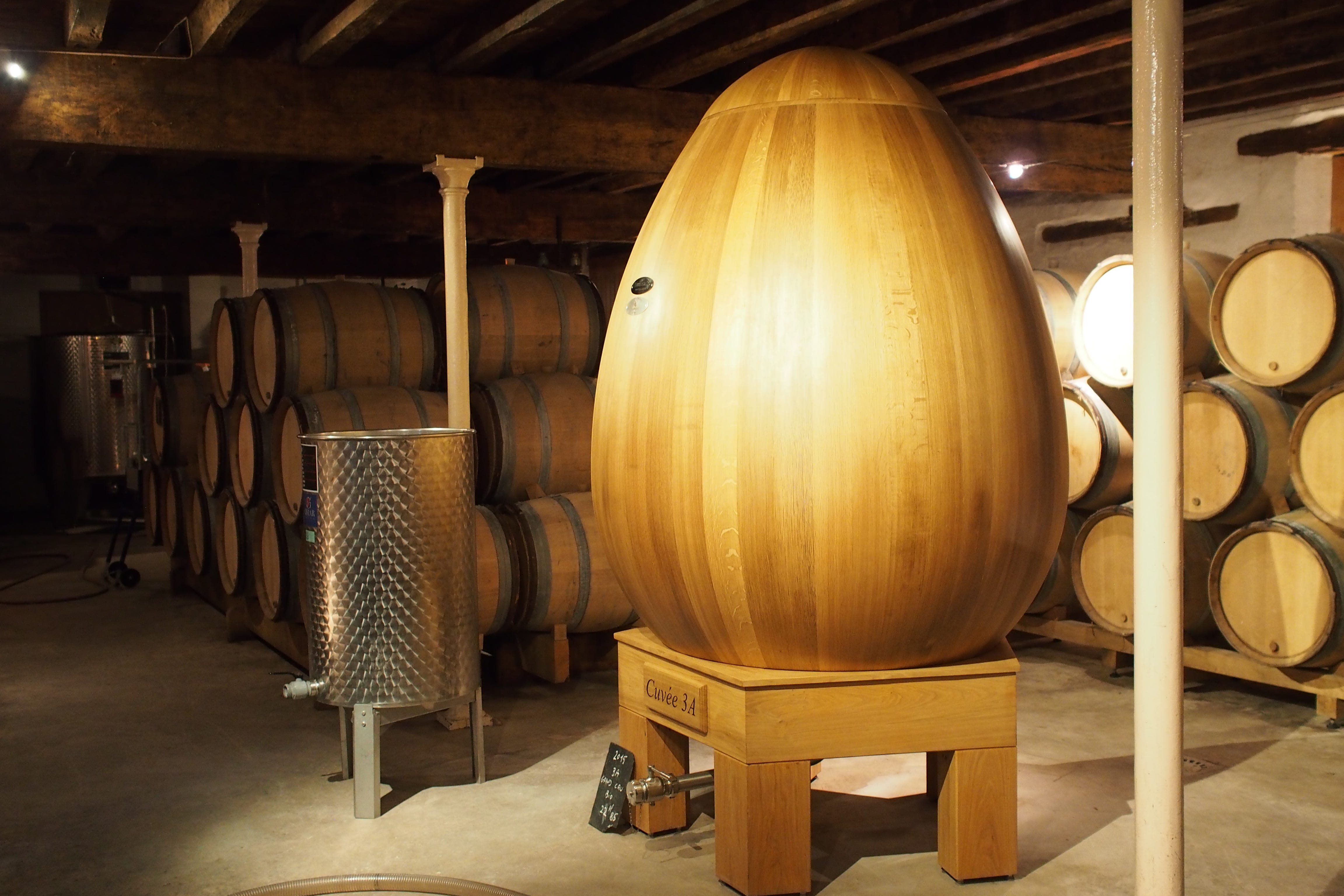
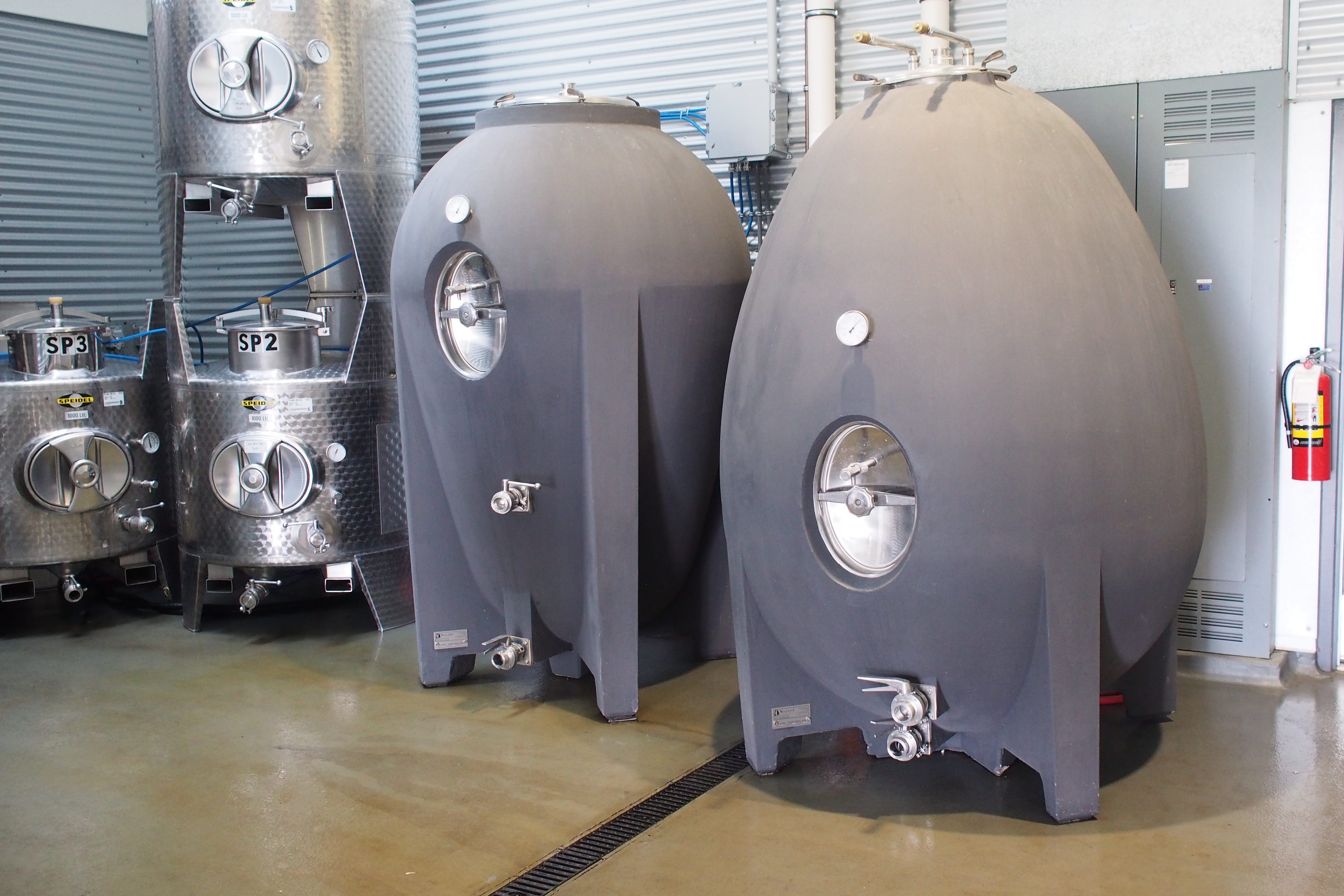
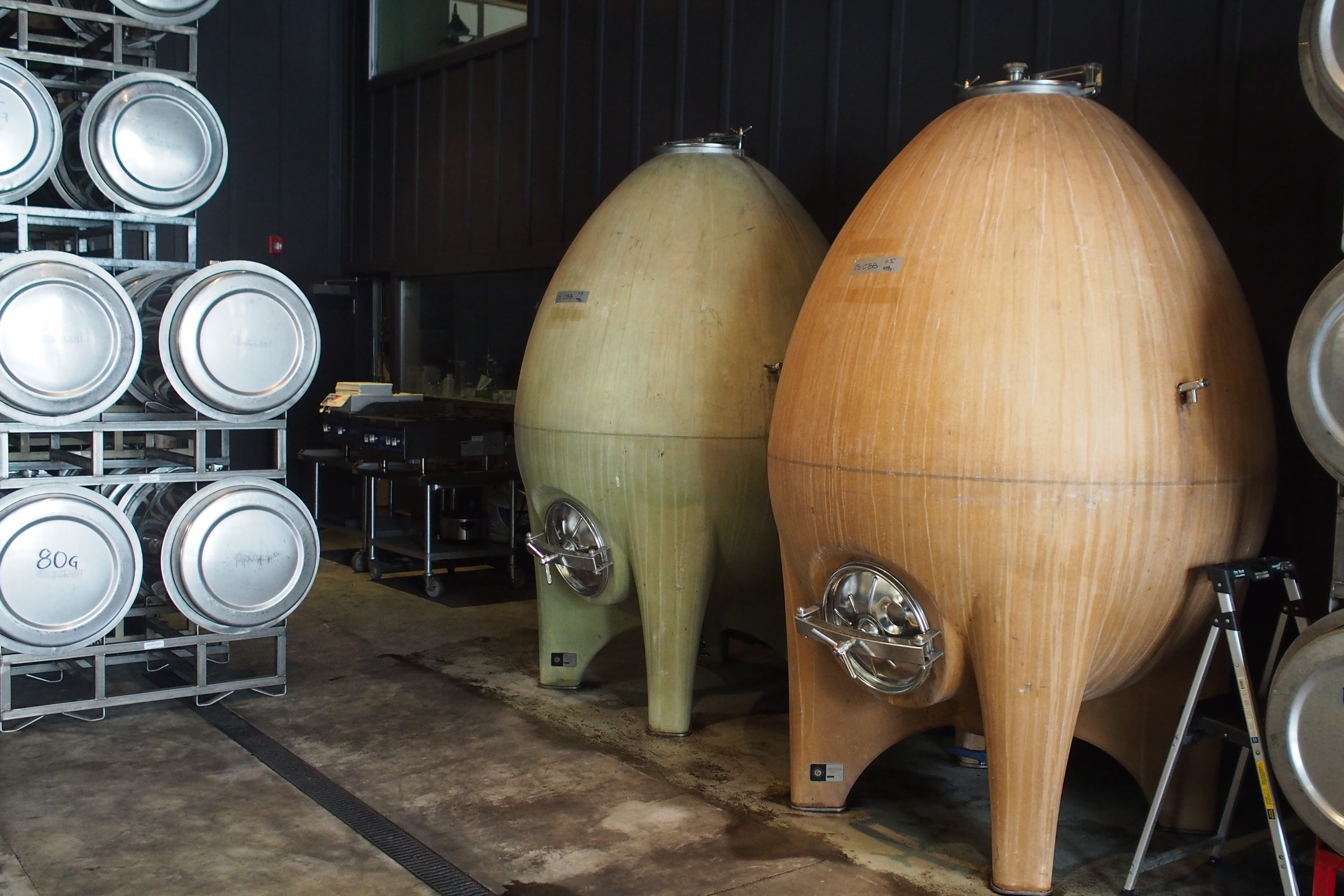
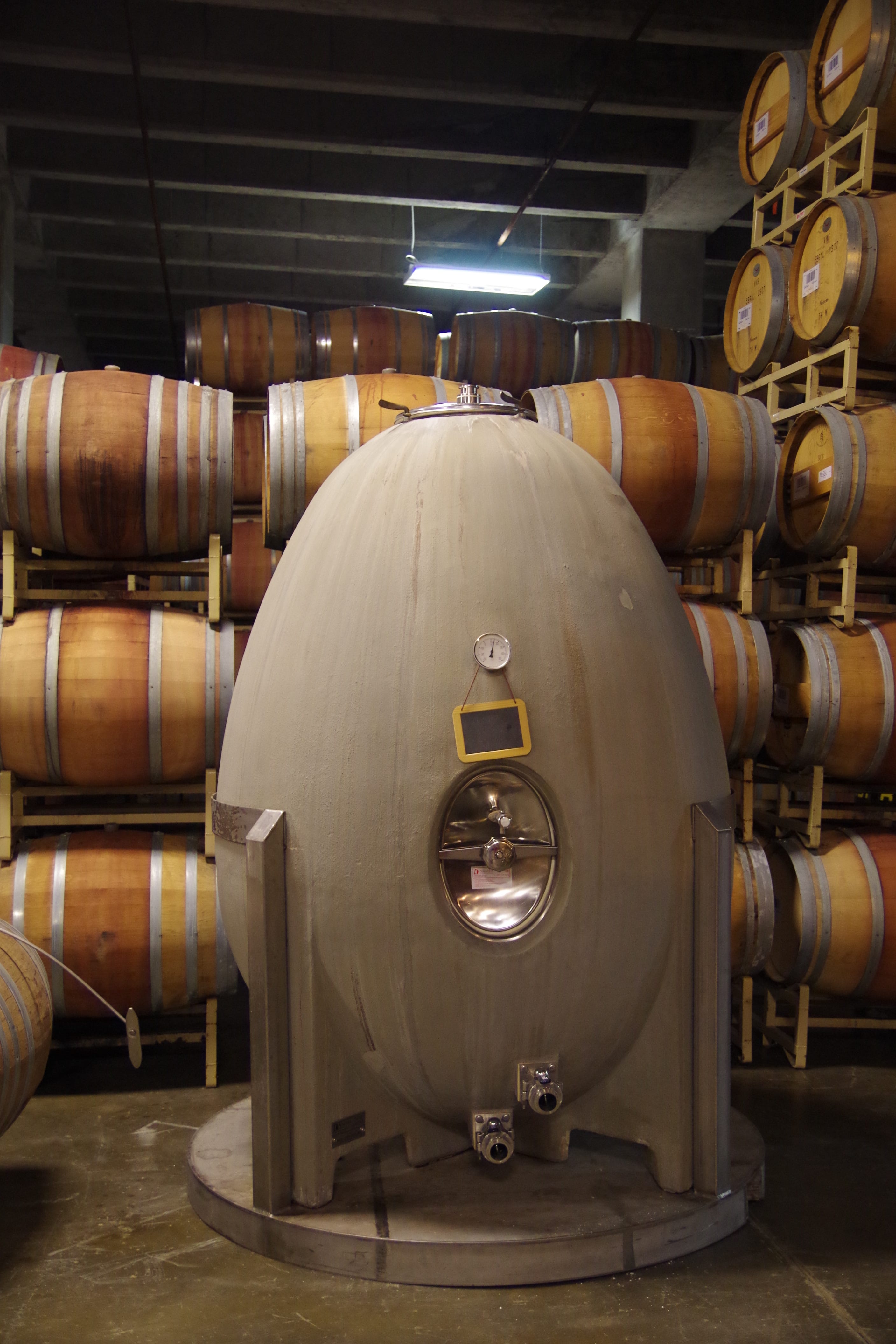
Concrete allows some oxygen transmission if it isn’t lined with expoxy. It also has thermal inertia. And egg-shaped vessels are claimed to alter the way the wine develops: they certainly seem to keep solids in suspension longer.
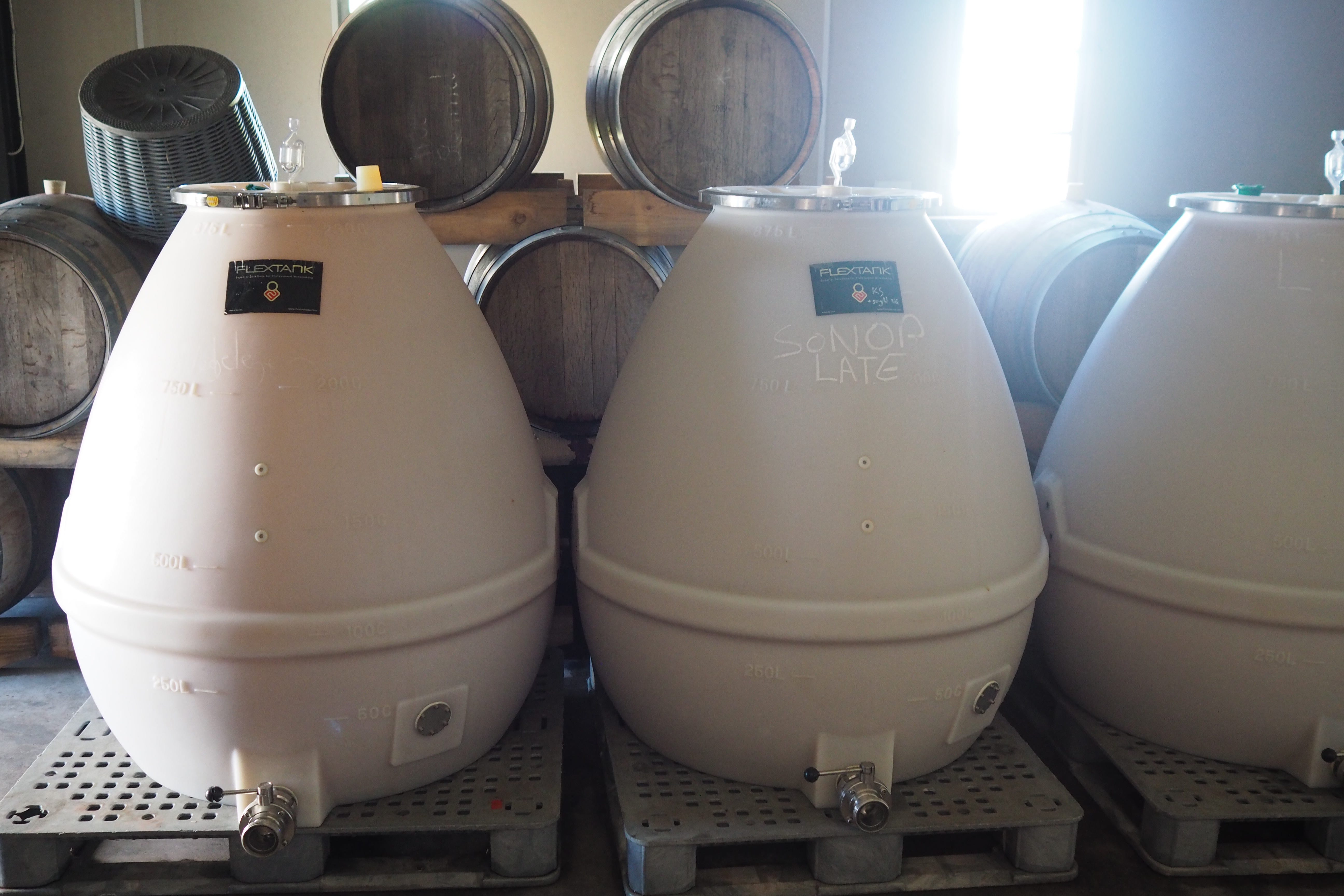
There are plastic alternatives to concrete eggs that are cheaper. Plastic allows oxygen to diffuse through it. These can be interesting.
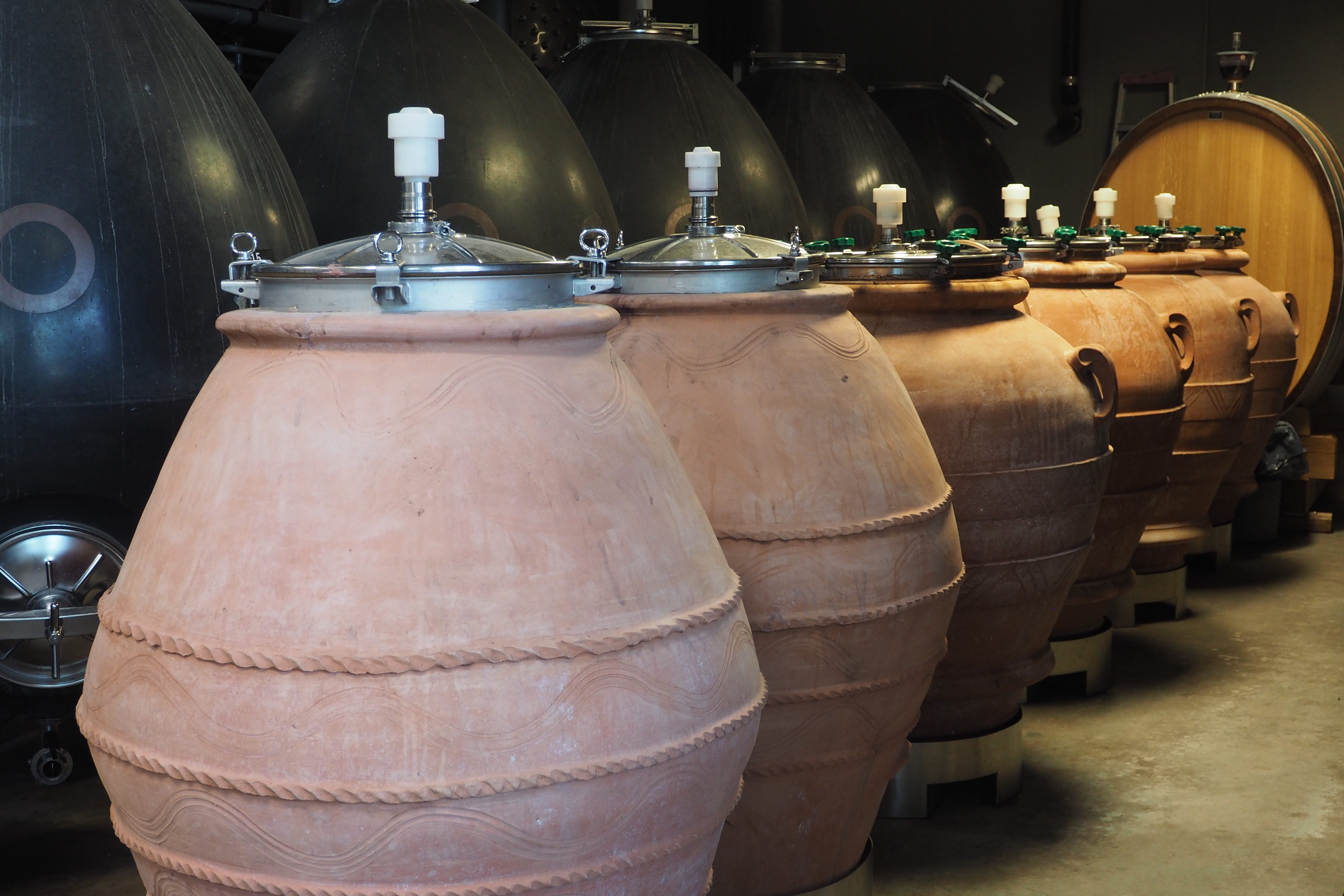
Then we have terracotta/clay. These vessels, variously named talha, qvevri, tinajas and amphorae (often incorrectly) vary in size, composition (for example Tava is moulded while most of the others are built using classic pottery techniques) and porosity (the higher the firing temperature the less the oxygen transmission). They might also be lined: for example, the Portuguese talhas are typically lined with a combination of resin and wax. The Georgian qvevri are wax-lined. The Georgians bury their qvevri, which will also alter how the wine develops and ages. They seal them, too. The Portuguese typically just cover talhas with cloth, and some use a coating of olive oil. Most modern clay vessels come with tight-fitting lids.
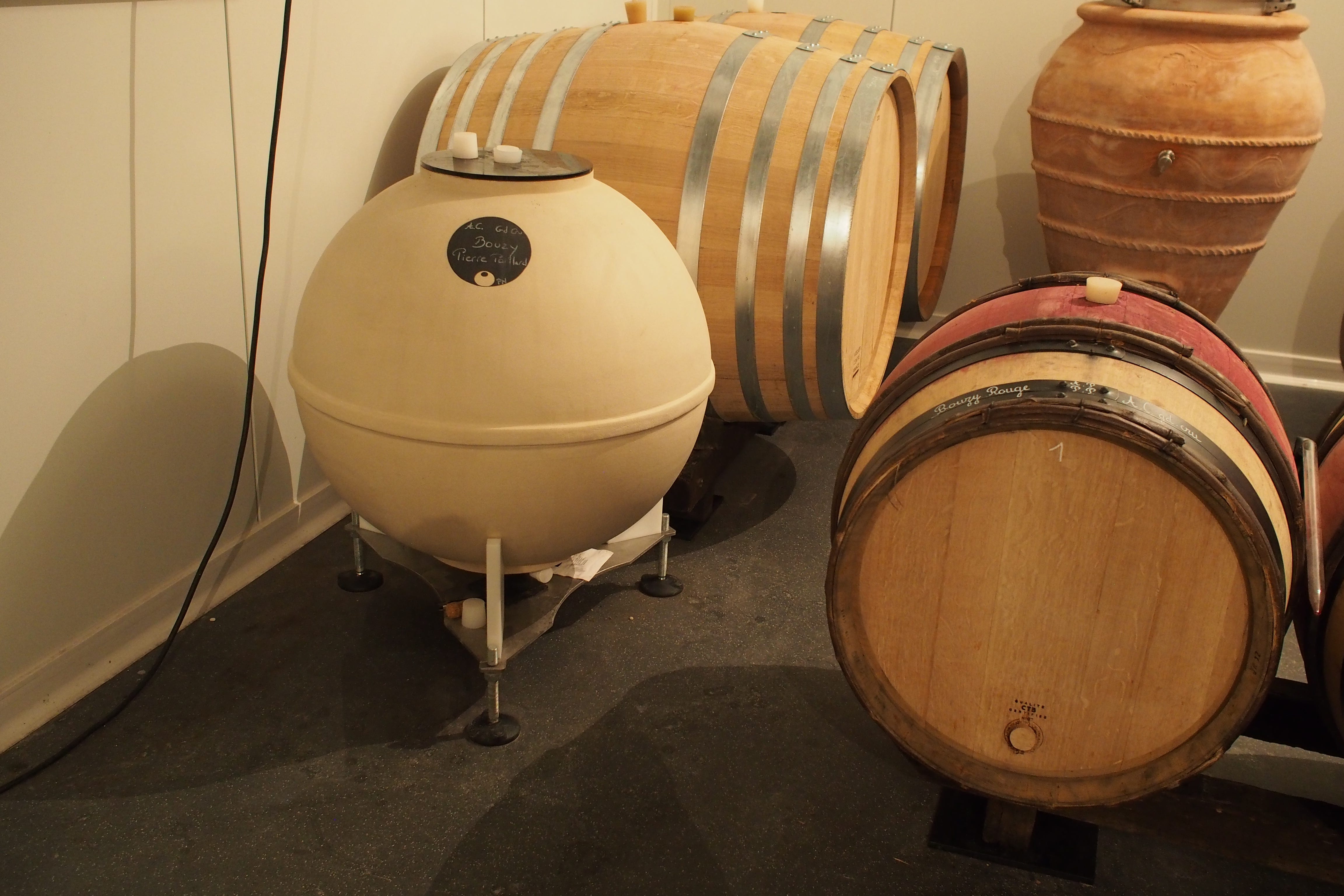
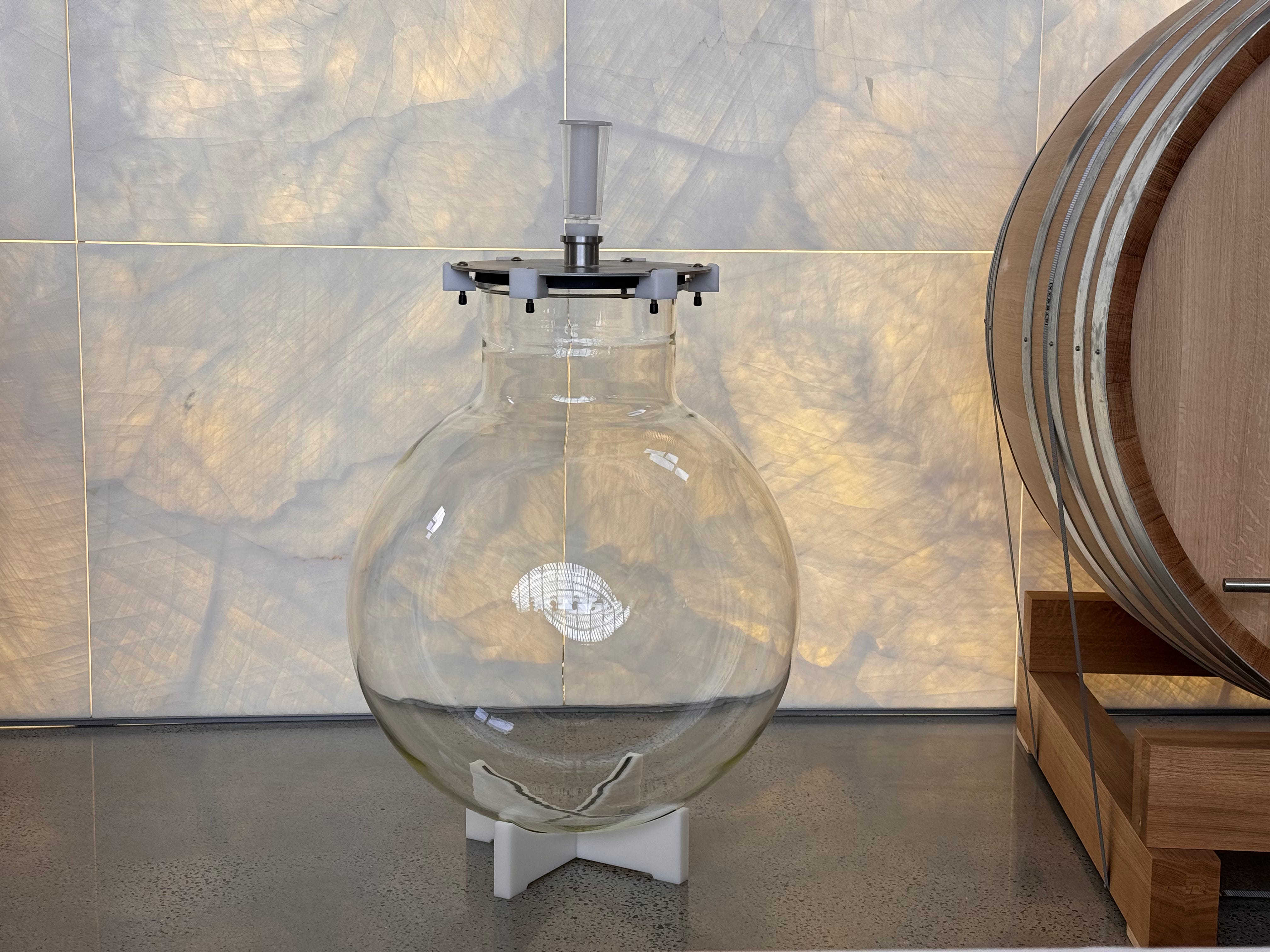
Then we have the ceramic vessels, such as Clayver, which are fired at such a high temperature they keep oxygen out. The glass Wine Globe does the same thing: glass allows no oxygen transmission, of course.
This is such an interesting area!
I had the amazing opportunity to tour the Tava facility when I picked up my amphorae and it gave me a real appreciation for the artistry behind the production. Now I try to keep them as clean as possible in the cellar, as if they were artistic sculptures : )