


I’m aware of the perils of writing about writing about wine. But on wine substack it’s an incredibly popular category (witness the recent discussion of AI in wine communication, or the myriad posts on the new category for wine and spirits here). That’s probably because many of the readers here are also creators, and it’s a topic dear to our hearts. There’s even a small crew of long-term posters who strut around acting like the sheriffs of wine substack, compiling official-looking lists with somewhat contrived rules of inclusion. An interesting place!
This leads me to the main message behind this post: demand.
If you are writing on this platform, I’d argue that the key to success isn’t great writing. It’s not producing beautiful literature; artfully honed prose. It’s producing something people want to read. You need to meet a demand.
And there is demand for all sorts of content, not all of it potentially prize-winning (oops, trigger alert!). Is there’s one take away from this piece, it’s stop taking your writing so seriously, stop being precious, and begin meeting the needs of your potential readers.
Today I will be attending a lunch at tasting at Corney & Barrow, and I remember my first lunch there many years ago where I was sat next to the late Simon Hoggart, who was a professional writer. [My old blog tells me this was in July 2005, scroll down slightly for the entry from 30th: https://www.wineanorak.com/blog24.htm.] He likened writing professionally to painting, pointing out that he saw himself not as a painter making art, but as a service painter, using a roller to cover the wall with words. I’ve carried that idea with me. Deliver content that people want, and don’t take too long over it. Load up the roller and paint the wall.
People read for different reasons. They read for leisure (less now than we’d like them to), and they read for learning. The latter is the big market for wine writing, and the former is getting smaller and smaller, and to be someone who someone else wants to read in their leisure time, you have to be really, really good.
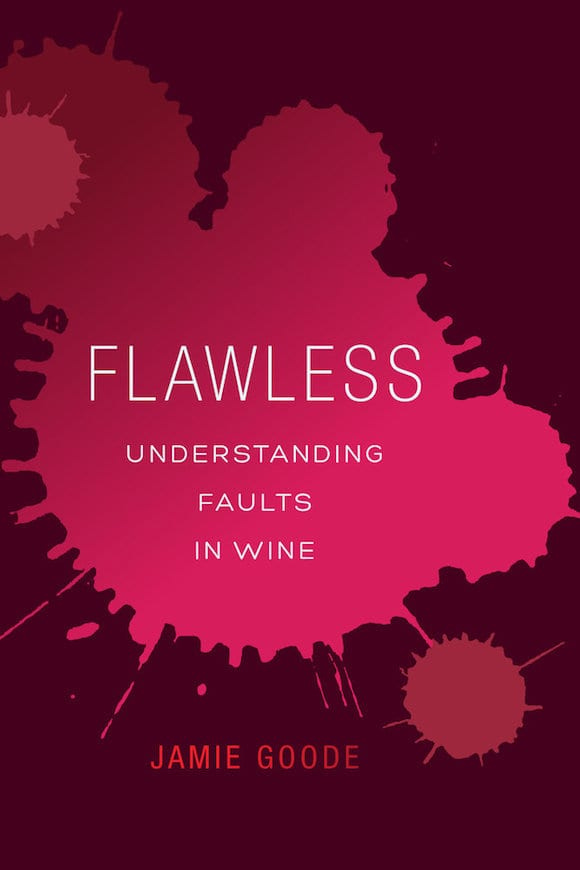
I love writing books. But the books I enjoy writing the most and which I think are better (in the literary and creative sense) don’t sell as well as the ones that meet a specific need. A great example is Flawless, a book on wine faults. I saw it as a rather minor project, and it took a long time to finish. But it has sold consistently well, and people often comment on how useful they find it.
On wineanorak, I specialize in writing stuff no magazine editor would ever commission. In-detail write ups of trips are a speciality, with separate write ups for each producer and notes and scores on all the wines. This is useful to some people, and the producers appreciate it. Hardly any one else does it, but I have my own platform, I have no fear of an algorithm there, and I give this content away for free so it doesn’t need to have a wide audience appeal.
We live in a time where there’s a sea of content out there, and the best we can do as writers, if we want to be read, is to put out something useful that someone actually needs to read. Then we can allow ourselves the luxury of penning long-form literary greatness.
This reminds me of that famous slogan on the wall at Chateau Tanunda that read "IS IT DELICIOUS?" It challenged some of the more introspective/solipsistic urges from the winemaking team. One might argue that the top of the Wine & Spirits league table could be a big notice saying "IS IT INTERESTING?" It can capture all manner of ideas and styles and approaches. But it's about being captivating before everything else.
That's exactly what I and three other wine enthusiasts ,helped by a professional journalist-Brian Elliott are trying to do
It's not polished, but it it is passionate and knowledgeable and people seem to like our content and friendly approach. Room for all!
midweekwinesguild.substack.com