


If you are going to begin a new media arm to your business, it’s worth asking, what problem are you solving? Whose needs are you meeting?
Michelin have an incredibly powerful brand when it comes to restaurants, with their three star ratings. Generally, their inspectors do a really good job. Of course, there’s always room for disagreement, and no rating system is perfect, but Michelin stars play a vital part in the fine dining ecosystem. They have no competition.
They’ve had to change their revenue model in recent years, as have many media players. Rather than selling guides, they now charge local tourism bodies a fee for including their city, province or even country in the guide. New Zealand recently paid in excess of $6 m to get the guide to start rating Kiwi restaurants, and most felt this was money well spent. Australia turned down the offer to have Michelin stars in exchange for $40 m over a five-year period.
And now they’ve turned to wine with a three-grape system. So far they have rated wineries in two French regions, beginning with the most famous: Burgundy and Bordeaux. You can see the results of their inspections here: https://guide.michelin.com/gb/en/wines-gb
Lots to discuss. We won’t begin now.
So with these first two regions, what problem are Michelin solving? I can’t think of one. It’s clear to everyone which the best domaines are. Bordeaux has its own hierarchy on the left bank that has proved surprisingly enduring, and in both regions, price is a pretty good indicator of which wines are most highly rated. There are already many publications that give respected ratings of the wines, surely a more useful rating than graping the winery, which in the case of Burgundy will be producing many wines each vintage of varying prices and quality levels.
There is no reason for Michelin to be rating the famous regions, and they haven’t done a very interesting (or very good) job so far. I can’t imagine how they’ll begin to rate Champagne, for example.
But there is an opportunity for them, should they choose to take it, and it means tweaking their approach somewhat. While well resourced people who don’t know much about wine, but want to drink well shouldn’t find it too hard to navigate famous regions with the well-trodden driveways to the top domaines and châteaux, they could really do some guidance with less famous regions.
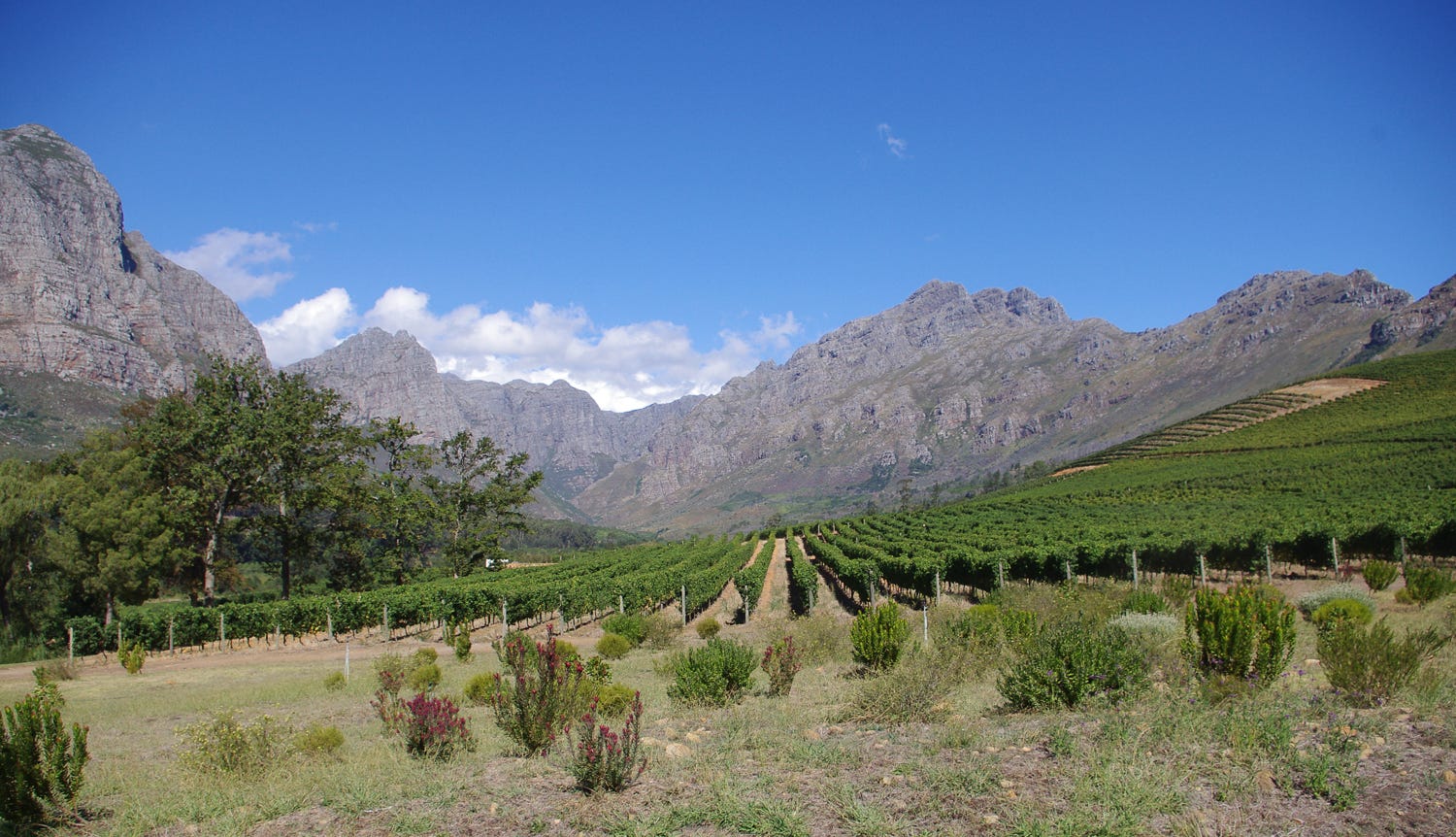
The Michelin restaurant guide is for people who want to visit restaurants. Why not make the grape system a guide for those who want to travel to wine regions? You could imagine that regions like Napa and Sonoma in California, the Finger Lakes in New York, the Barossa, McLaren Vale, Hunter Valley and Margaret River in Australia, and Stellenbosch (and more broadly the Western Cape) in South Africa would be very happy to have Michelin come and guide well resourced wine lovers to the best wineries in these regions.
I’m just picking a few examples here. When it comes to actual wines, there are already lots of critic publications, and there’s no need for Michelin to try to reproduce this. Why don’t they operate where there’s a gap, and a real need?
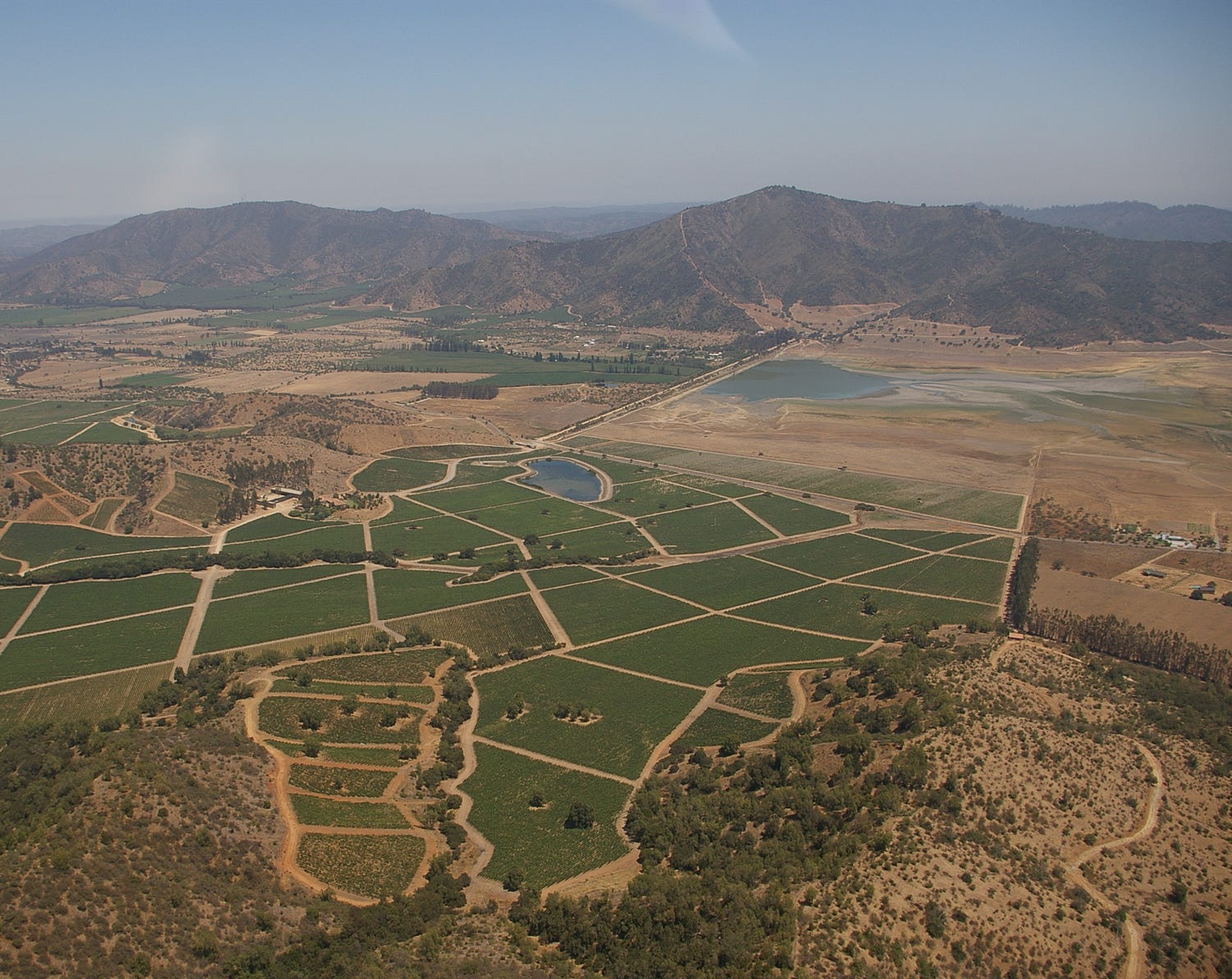
Michelin is a powerful, consumer-facing brand and it has widespread recognition. Guiding people towards wineries that make great wine, and which you can visit, fills a need, and it’s one where they can do the job well.
They’ve shown with Bordeaux and Burgundy that what they are doing isn’t really working so well. I haven’t spoken to people in these regions about how they feel about it, but I would be surprised if there was widespread excitement with the way things have gone so far.
But in many regions around the world, there are lots of wineries who are doing great work and would like that endorsed by a brand that has widespread recognition among non-involved wine consumers. And regional bodies might be willing to divert quite a bit of marketing cash towards this sort of promotion, but only if it is done fairly, it is done well, and there is a degree of transparency about how the conclusions are reached.
I am not sure that Michelin is interested in filling a particular need and doing real discovery but rather in expanding their ecosystem. I imagine most of the most of the wineries rated will be present on the wine lists in Michelin guide restaurants. This way you travel to a region you have the hotels, the restaurants and featured wine in the same system.
This is the only fit I see for their model.
Jamie, I think your question about what problem Michelin is actually solving is the right one. When the Burgundy selection came out, I asked much the same thing: do DRC, Leroy, Coche-Dury or Roumier really need another institution confirming what the market already knows? The more interesting opportunity, to me, was further down the list: whether Michelin could use its extraordinary reach to help us discover producers and regions that don’t already have that visibility.
I like your idea of leaning into wine regions and discovery rather than becoming another wine critic. I’m less sure I’d tie that too closely to wineries people can visit, though. Some remarkable growers simply aren’t tourism businesses. If the objective becomes “places affluent wine tourists can visit,” Michelin risks replacing one visibility bias with another.
Your point about tourism bodies funding Michelin’s expansion also raises another question for me. If that model eventually extends to wine, does Michelin go where consumers genuinely need guidance or where regional bodies have the budgets to bring them?
There’s potentially something valuable in Michelin Grapes. But I keep coming back to the same thing: discovery is where Michelin could add something new. The challenge is making sure its genuine discovery.