


After a brilliant couple of days in Bairrada celebrating with Filipa Pato and William Wouters (25 years of Filipa’s wines), today I was lecturing at UTAD (Universidade de Tràs-os-Montes e Alta Douro) in Vila Real. I’ve been coming here for three years now to deliver some lectures on wine science to the International Vintage Masters students. This is a really cool two year MSc course, with a lot of practical content. The first year is split between Portugal and Italy, and the second year is at ESA in Angers. The students I was with today have just finished vintage experience in Portugal. They do this in pairs, and most went to Douro, but some went to Dão and one pair were in Vinho Verde.
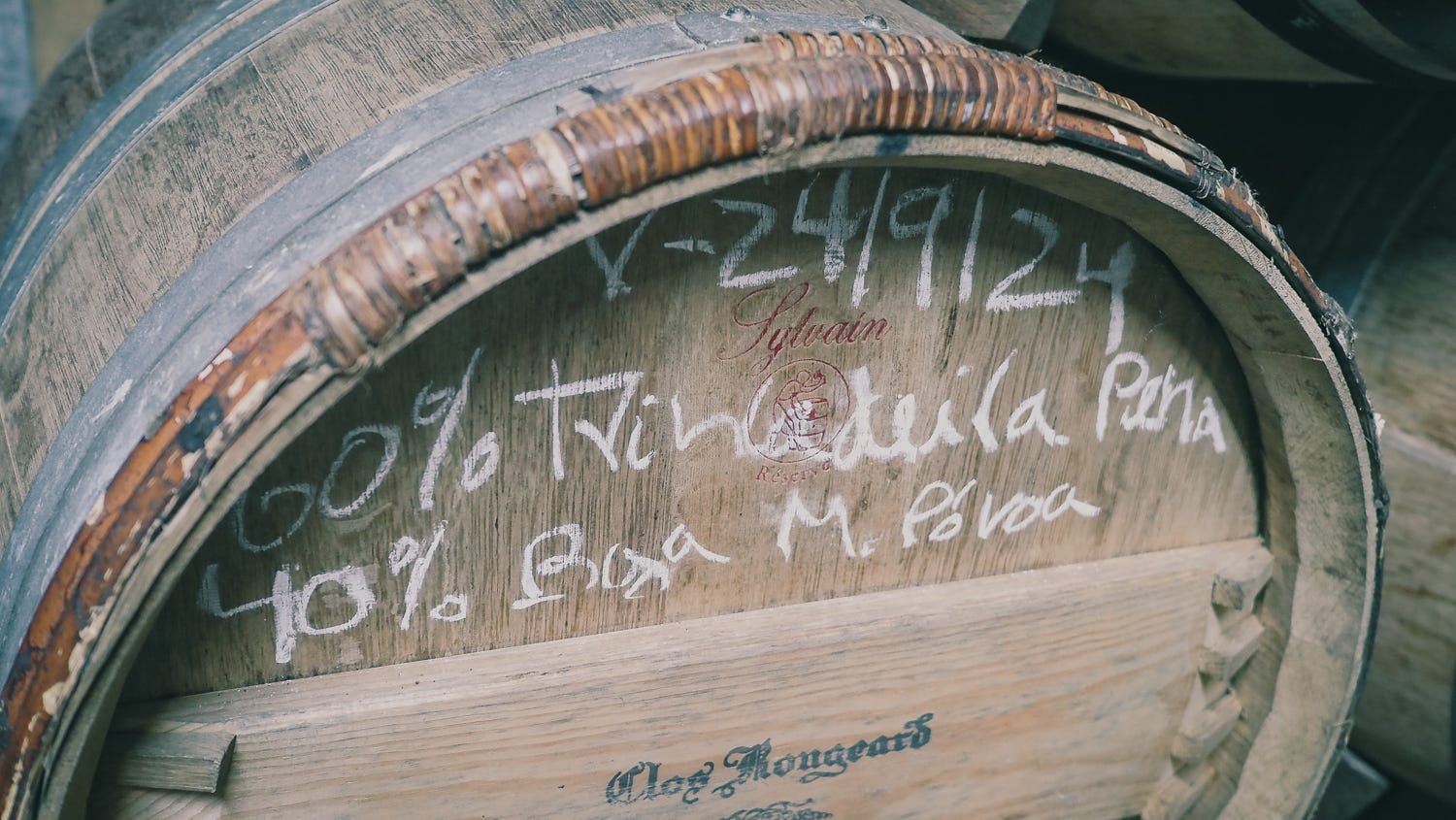
Today we did extraction and maceration, and then started on élevage, beginning with a deep dive into barrels.
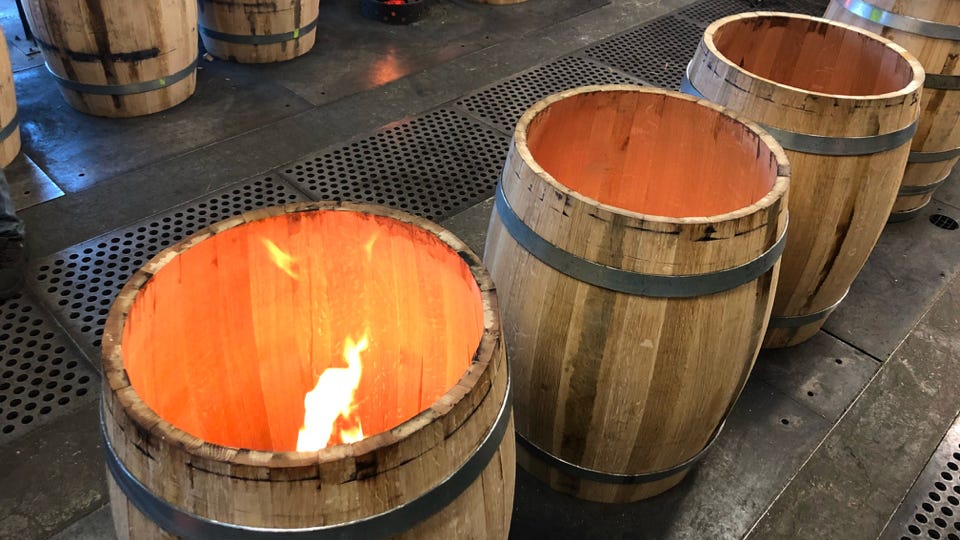
I’m not going to give a lecture here, but there are some interesting observations about the effect of barrels that are worth digging into.
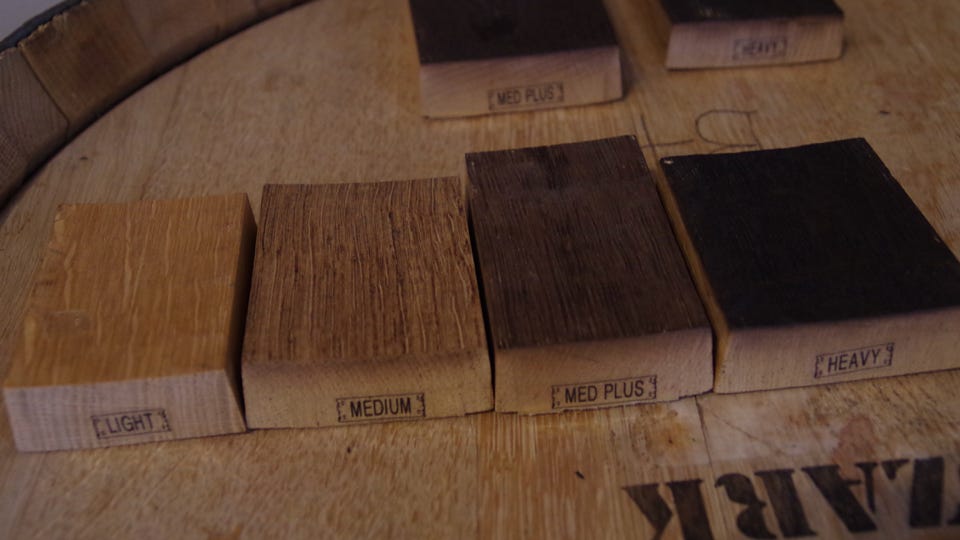
The first: in the past lots of woods have been used for the storage of wines and spirits. A paper from Singleton in 1974 lists the following types being used by cooperages in the USA:
white oak
red oak
chestnut
gum
maple
birch
ash
fir
beech
black cherry
sycamore
redwood
spruce
cypress
elm
basswood
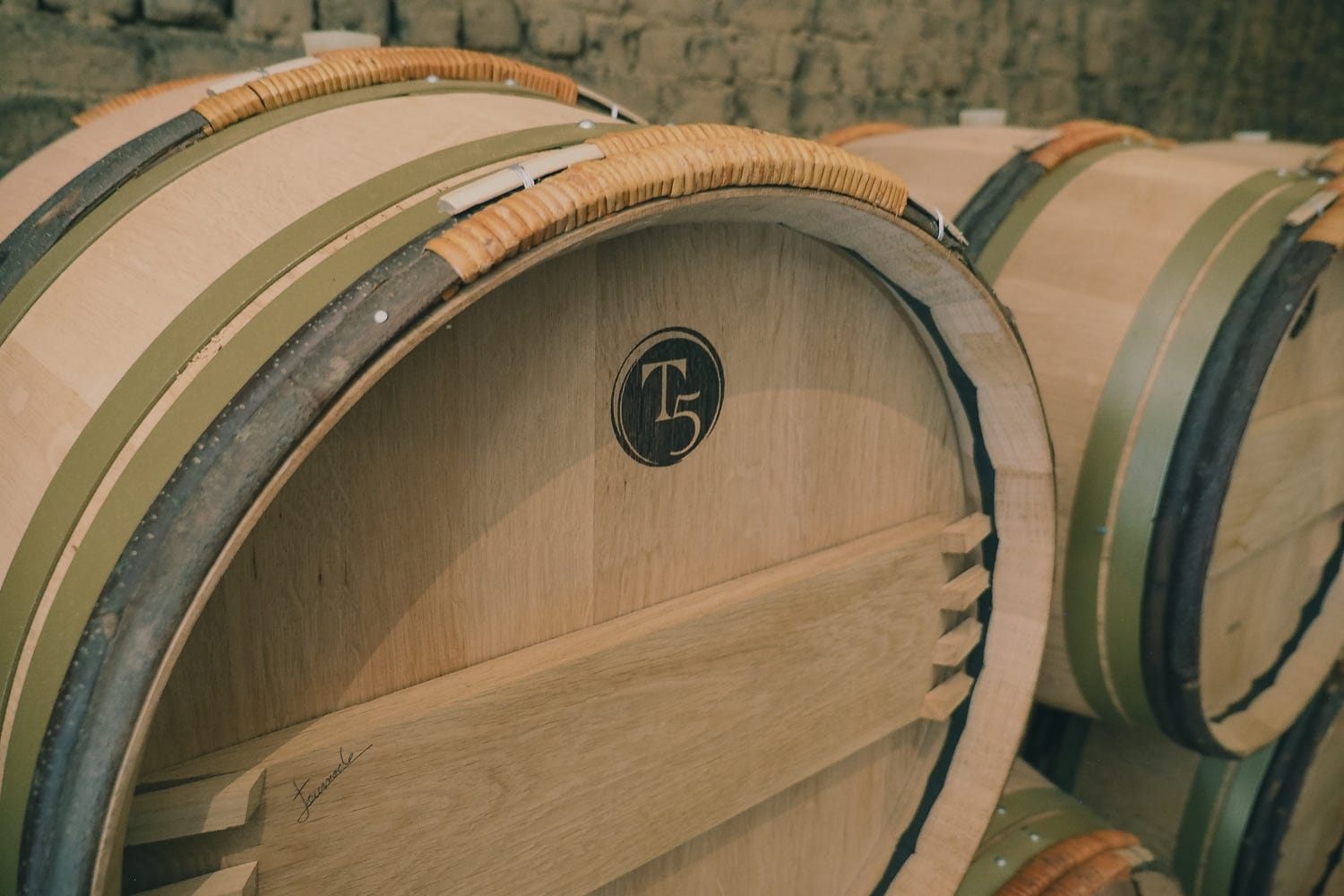
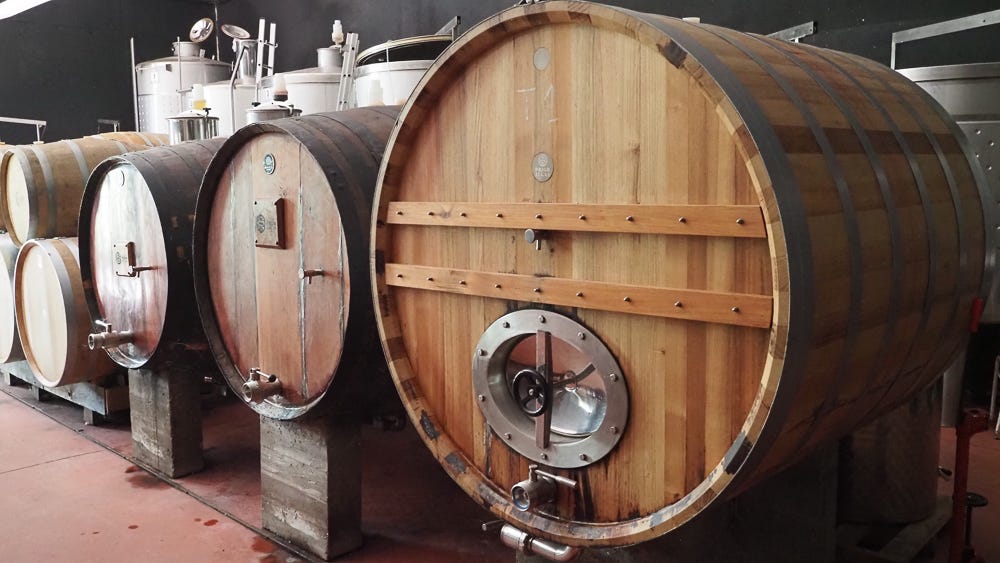
In Europe, I’ve come across oak (most common, including central European oak that is becoming more popular), chestnut, acacia, cherry and mahogany. And there was a remarkable mixed-wood barrel that I encountered at Bairrada (Portugal) producer Prior Lucas:
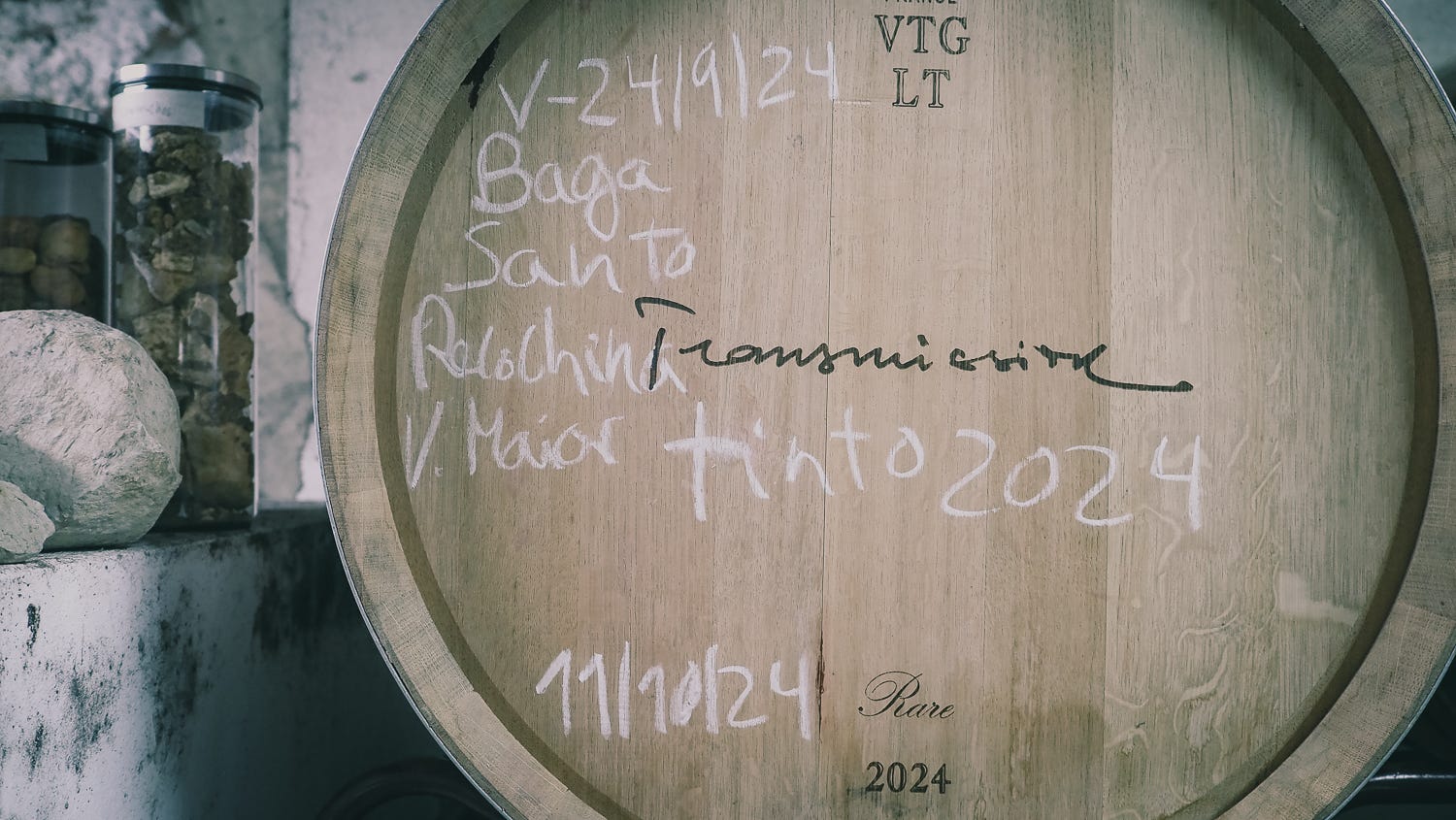
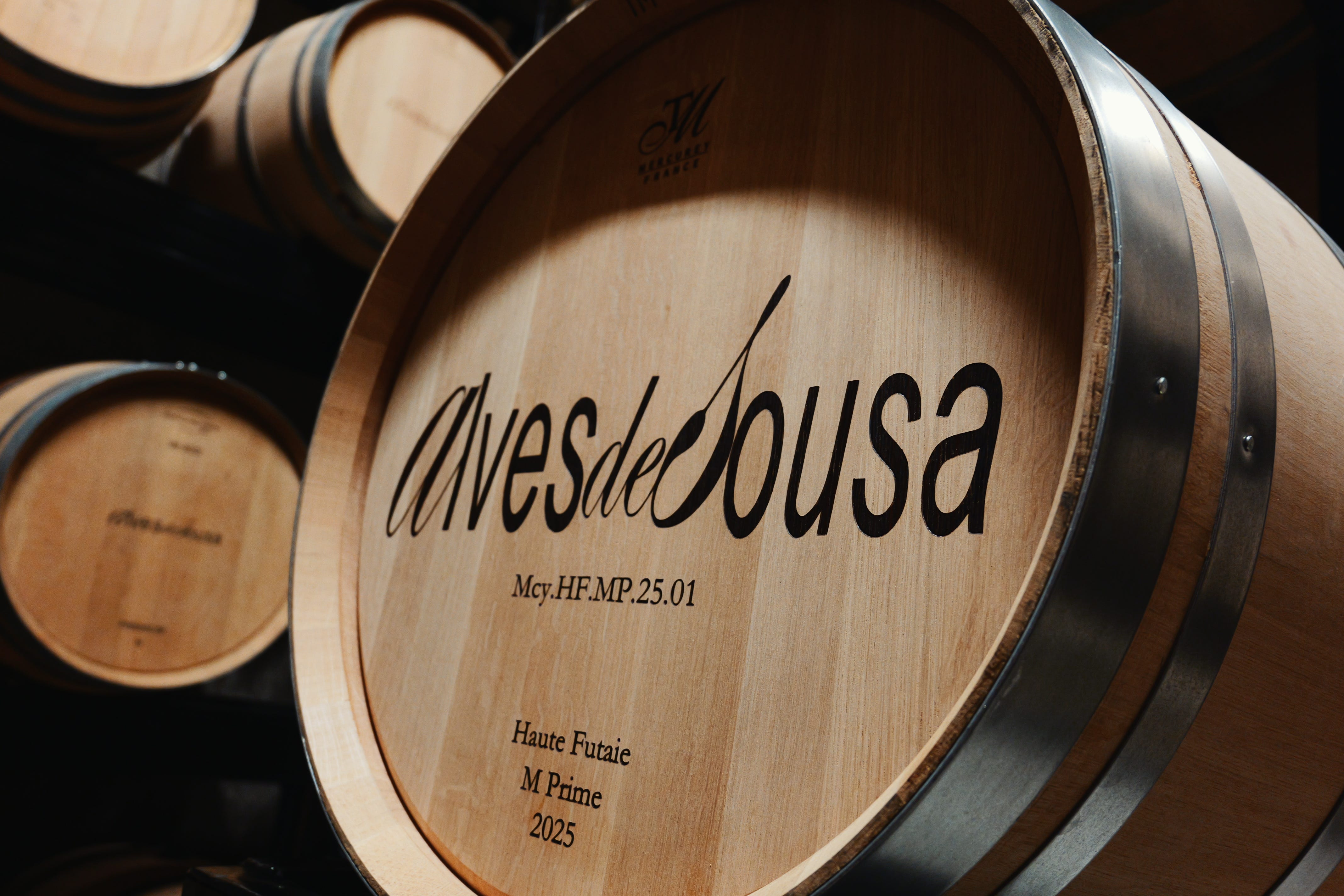
More common is oak barrels made with mixed staves of varying forest origin: Mercurey do this quite a bit.
Then we have the differences between American oak (Quercus alba) and French oak (Q. sessiflora and Q. robur). One difference is the level of oak lactones: these give a sweet cocunut/vanilla flavour and they occur at significantly higher levels in American oak.
The second is that French oak allows a higher level of oxygen transmission to the wine than American oak. More on this later.
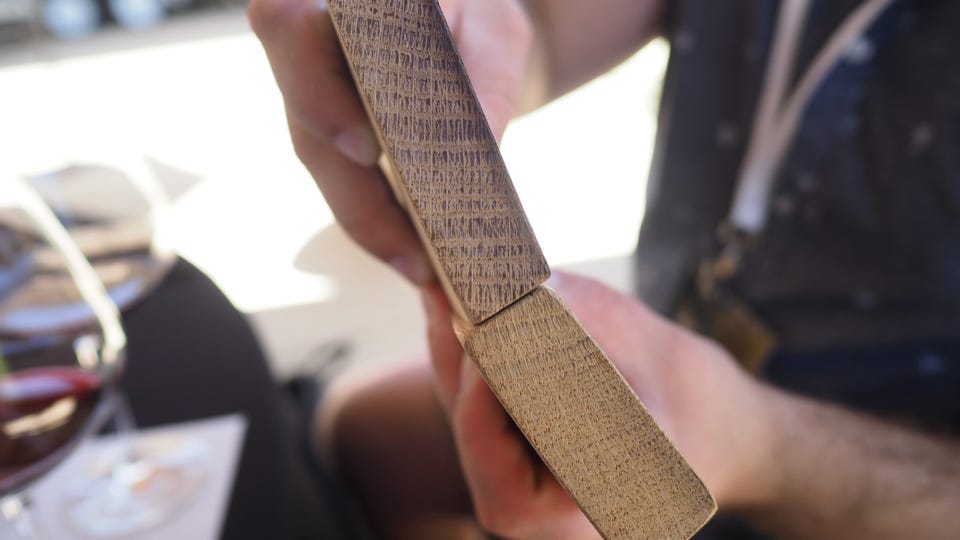
The third is that American oak has a much higher level of structures called tyloses. These are growths from neighbouring cells into xylem vessels, blocking them. Xylem vessels are the water transmitting structures in plants, and in wood they become lignified and hard, and that’s what makes wood all woody and strong, enabling trees to grow tall.
French oak has tyloses, but fewer. So if you saw staves from French oak trunks, they will leak wine over time, as it is able to follow the flow of some of the xylem vessels. In order to make barrel staves from French oak, the wood has to be split carefully following structures called medullary rays. Then the resulting staves are water tight. For American oak, you can saw the staves, they are watertight, and you end up being much more economical with the tree. A cubic metre of French oak makes 2-2.2 barrels while the same volume of American makes 3.7-4 barrels.
One of the key properties of barrels is how much oxygen they let through, and this has been extensively studied. The oxygen transmission rate (OTR) of the barrel is very important in élevage, as just a little bit allows the wine to evolve in a nice way. [The other aspect of barrels is, of course, the flavour contribution they make.]
There have been a lot of studies on this, and some have been contradictory. Here’s what the current thinking is.
It is not static. OTR changes with time, as the wood soaks up more wine, and new oak allows more oxygen than an older barrel. For filled (topped up barrels) made of French oak, the figure is 20-45 mg/litre of wine, falling to 10 mg/litre for five year old barrels. But this will differ depending on how the barrel is made, and which staves are used. A recent study deliberately assembled barrels with selected staves of the same oak, and ended up with one that was much lower OTR and the other much higher. They were able to compare the two.
A recent study showed that OTR decreased with the length of time a wine was in barrel, with increases in wood moisture responsible for decreasing permeability of the wood.
Where does the oxygen get in? There are three routes. It can enter through the wood itself, it can enter though the joints between the staves, and it can enter through the bunghole.
A 1997 study showed 21% of the oxygen entered through the bung, 63% through the joints, and 16% through the wood. And topping-up of barrels typically introduces 4 mg/litre of oxygen each time it is done, but this can vary.
One of the really interesting observations concerns white wines aged in barrel. If you ferment a white wine in stainless steel and then age it in barrel, it will pick up a lot more of the vanilla character from the wood than if you barrel ferment it. This is because yeast metabolism reduces the vanillin concentration by reducing it into the odorless vanillic alcohol. Therefore, barrel-fermented wines smell less oaky that the same wines would that were fermented in a tank and then transferred to a barrel, even though they’ve been in oak for longer.
Fermenting whites in barrel is quite labour intensive, so many cooperatives who use barrels for their fancier wines do the fermentation in tank (easy to manage, at scale) and then transfer to barrel. The results aren’t as interesting.
Some wineries begin white wine fermentation in tank, and when they are happy fermentation has kicked in nicely, they transfer to barrel. This gives the reduced-vanilla effect and overall integration of oak without the risk of a tricky or sluggish fermentation in the barrel that is then logistically hard to deal with.
A wine barrel is a thing of beauty. If you run out of topics to write about, how about a full story of the life of a wine barrel? Where the wood was grown, how transported to the cooperage, how that operates, the story and lives of the coopers. The construction of the barrel - where it is first used, how many vintages, where did it go next. Etc etc. Richard
I personally think of barrels as a tannin transformative tool. Principally through oxygenation to help polymerize tannins. But newer oak can also help transform greener grape tannins into something more savory.
In the past I've used acacia barrels on a white variety, Carignan Blanc, that benefitted from the gradual oxidation of a barrel but definitely didn't need oak. But now I make Albariño which is, to my mind, as tannic as Chardonnay, and I've gone back to using oak. This implies new oak from time to time but the trouble is, my production is so small that buying a single new oak barrel really has a big impact on the oak profile of the finished blend. Even with barrel fermentation. The last time I bought a new barrel I was only able to use 70% of the wine from it or else I'd unbalance the cuvée.